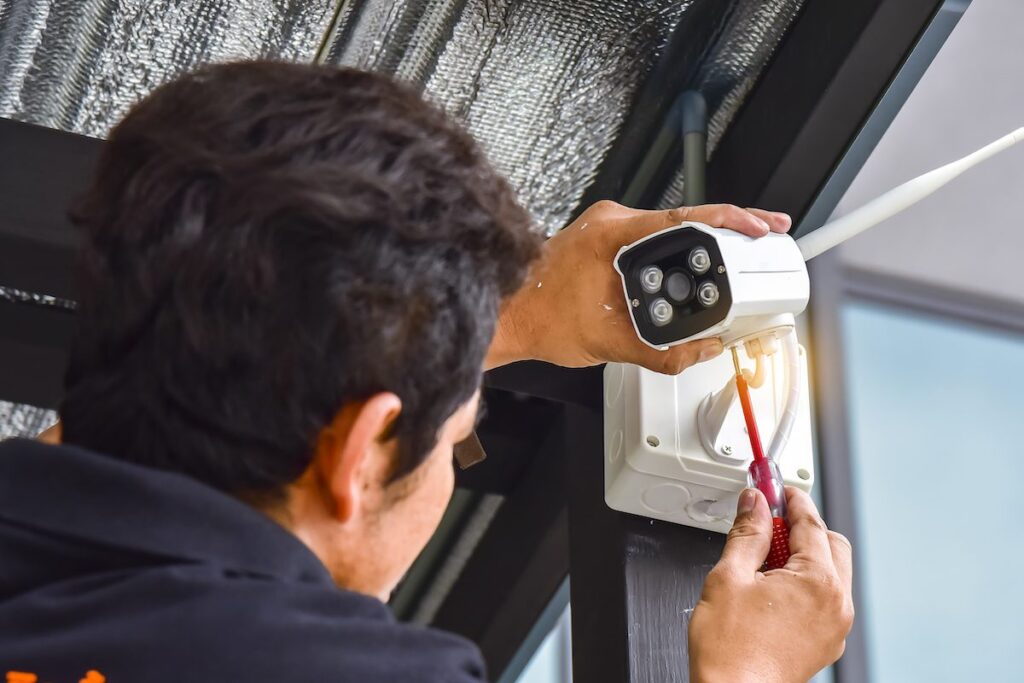
CCTV cameras have become a cornerstone of modern security systems, providing peace of mind and protection for homes and businesses alike. While many people focus on the financial aspect of installation, it’s equally important to understand the factors that influence the effectiveness of a CCTV system. This article explores essential considerations for setting up CCTV cameras without diving into costs.
1. Purpose of Installation
Before installing a CCTV system, it’s crucial to identify your primary security goals. Are you aiming to monitor indoor spaces, outdoor areas, or both? Do you need a system to deter potential intruders, monitor employee productivity, or ensure the safety of a specific area? Clarifying your objectives helps you choose the right features and setup for your needs.
2. Types of CCTV Cameras
The market offers a variety of CCTV cameras, each suited to specific requirements:
- Dome Cameras: These discreet, compact cameras are ideal for indoor use, offering a wide-angle view.
- Bullet Cameras: Designed for outdoor use, bullet cameras are weather-resistant and have a long-range focus.
- PTZ Cameras: These allow you to pan, tilt, and zoom, making them perfect for monitoring large areas.
- IP Cameras: Internet Protocol cameras provide high-resolution footage and remote access via apps.
- Wireless Cameras: Easy to install and relocate, these cameras are excellent for flexible setups.
3. Placement and Coverage
Strategic placement is critical for maximizing the effectiveness of CCTV cameras. Key considerations include:
- Entry and Exit Points: Monitor doors, gates, and other access points to track who enters and exits.
- Blind Spots: Identify and cover vulnerable areas that could be exploited.
- Height and Angle: Position cameras at a height and angle that captures clear, unobstructed footage.
- Indoor vs. Outdoor: Use weatherproof cameras for outdoor locations and more compact models for indoor spaces.
4. Features to Consider
The right features can significantly enhance the functionality of your CCTV system:
- Night Vision: Ensures clear footage in low-light conditions.
- Motion Detection: Alerts you to movement in designated areas.
- High Resolution: Provides crisp, detailed video for easy identification.
- Two-Way Audio: Allows for communication through the camera.
- Integration: Compatibility with smart home systems for centralized control.
5. Recording and Storage Options
A reliable recording and storage solution is essential for maintaining a history of footage:
- DVR (Digital Video Recorder): Ideal for analog cameras, offering simple and effective storage on OTalarm Solution.
- NVR (Network Video Recorder): Works with IP cameras and allows for remote access.
- Cloud Storage: Provides offsite storage with easy access through the internet.
- Local Storage: SD cards or hard drives can store footage directly at the site.
6. Power Supply Options
CCTV cameras can be powered in various ways, depending on your setup:
- Wired Systems: Offer consistent power and connection but require professional wiring.
- Wireless Systems: Easier to install but depend on Wi-Fi stability.
- Battery-Powered Cameras: Ideal for areas without power outlets but require regular battery replacement.
7. Maintenance and Longevity
Proper maintenance ensures your CCTV system operates effectively over time:
- Regularly clean lenses to avoid blurry footage.
- Check connections to ensure seamless operation.
- Update software for the latest security enhancements.
- Test motion detection and recording features periodically.
8. Legal and Privacy Considerations
When installing CCTV cameras, it’s essential to respect privacy laws and regulations in your region:
- Inform visitors, employees, or residents about the presence of cameras.
- Avoid pointing cameras at neighboring properties or private areas.
- Follow guidelines for storing and handling footage securely.
9. DIY vs. Professional Installation
Deciding between DIY installation and hiring professionals depends on the complexity of your system. DIY setups are suitable for smaller, straightforward systems, while professional installation ensures optimal placement and configuration for more complex needs.
10. Future-Proofing Your System
Technology evolves rapidly, and investing in a scalable CCTV system ensures you’re prepared for future needs. Look for features like remote access, integration with smart devices, and compatibility with emerging technologies.
Conclusion
Installing a CCTV system is a significant step toward enhancing security and safeguarding your property. By understanding your goals, selecting the right equipment, and considering factors such as placement, features, and maintenance, you can create an effective surveillance system tailored to your needs. A well-thought-out CCTV setup provides more than just surveillance; it delivers peace of mind and a safer environment.