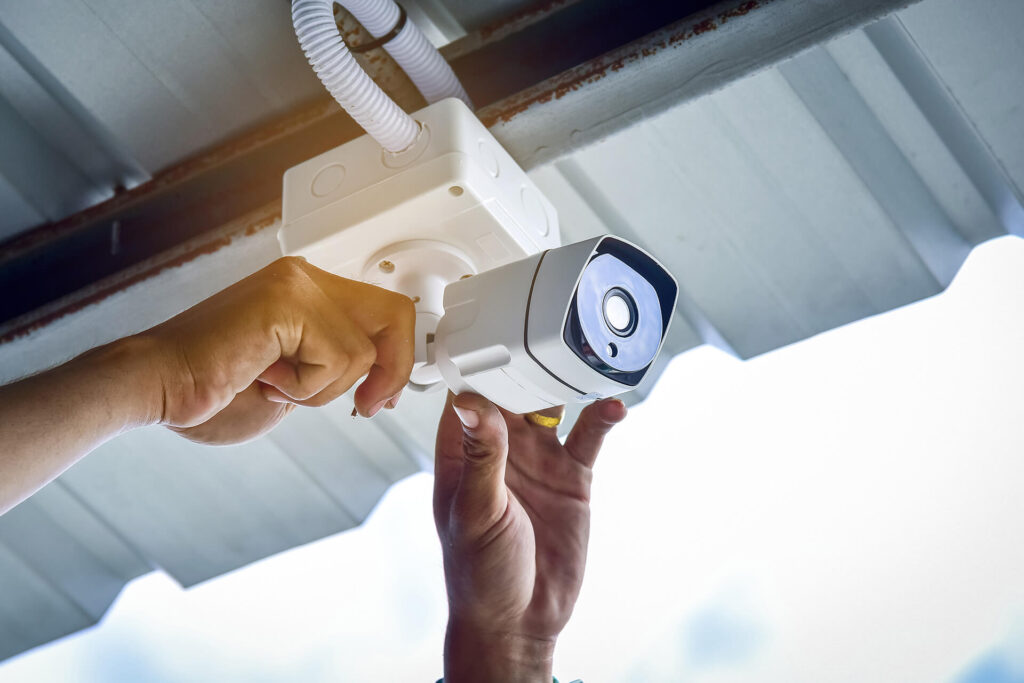
In an era where security is paramount, CCTV (Closed-Circuit Television) cameras have become essential tools for safeguarding homes, businesses, and public spaces. Proper installation is key to ensuring these cameras function effectively, providing reliable surveillance and peace of mind. Whether you’re setting up a simple system for your home or a complex network for a business, understanding the basics of CCTV security camera installation is crucial.
This article provides a detailed overview of the installation process, key considerations, and benefits of CCTV systems.
Why Install CCTV Security Cameras?
CCTV cameras are a proven method of deterring crime and monitoring activities. They serve as an invaluable tool for:
- Crime Prevention: Visible cameras discourage potential intruders and vandals.
- Monitoring Activities: Keep an eye on properties, employees, or customers in real time.
- Collecting Evidence: High-quality footage aids in investigations and legal proceedings.
- Remote Access: Modern systems allow users to view live or recorded footage from anywhere.
Types of CCTV Cameras
Before installing a CCTV system, it’s important to choose the right type of camera based on your needs.
Dome Cameras
These cameras are versatile, offering 360-degree coverage. They are ideal for indoor use in homes and offices.
Bullet Cameras
Known for their long-range capabilities, bullet cameras are perfect for outdoor surveillance.
PTZ Cameras
Pan-Tilt-Zoom (PTZ) cameras allow users to adjust the angle and zoom in on specific areas, making them ideal for large spaces.
IP Cameras
Internet Protocol (IP) cameras provide high-definition footage and can be connected to a network for remote access.
Wireless Cameras
These cameras offer flexibility in installation and are ideal for areas where running cables is challenging.
Preparing for CCTV Installation
Installing a CCTV system involves careful planning to ensure optimal performance.
Determine Your Surveillance Needs
Identify the areas you want to monitor and the level of detail required. This will help you choose the right camera type and features.
Choose the Right Location
Select strategic locations for cameras to maximize coverage. Key areas to consider include entry points, driveways, and high-traffic areas inside your property.
Check for Power and Connectivity
Ensure power outlets and network connectivity are available near the camera installation sites.
Plan the Wiring
For wired systems, plan the cable routes to minimize exposure and reduce the risk of tampering.
Evaluate Lighting Conditions
Consider the lighting conditions in the monitored areas. Cameras with infrared or low-light capabilities are ideal for nighttime surveillance.
The Installation Process
While professional installation is recommended for complex systems, many homeowners opt for DIY setups. Here’s a step-by-step guide to installing a CCTV system:
Step 1: Assemble the Equipment
Ensure you have all necessary components, including cameras, a DVR (Digital Video Recorder) or NVR (Network Video Recorder), cables, power adapters, and mounting hardware.
Step 2: Mount the Cameras
Securely mount the cameras in the predetermined locations using the provided brackets. Ensure they are positioned at the correct angle for optimal coverage.
Step 3: Connect the Cameras
For wired systems, connect the cameras to the DVR or NVR using the appropriate cables. Wireless cameras require pairing with the system’s network.
Step 4: Power Up the System
Plug in the cameras and recording device to a power source. Verify that all devices are receiving power.
Step 5: Configure the System
Use the system’s interface to configure settings such as motion detection, recording schedules, and remote access.
Step 6: Test the System
Check each camera feed to ensure proper positioning and functionality. Make adjustments as needed for optimal performance.
Benefits of Professional Installation
While DIY installation may save costs, professional installation offers significant advantages:
- Expert Placement: Professionals identify the best locations for camera placement to maximize coverage.
- Wiring Expertise: Properly routed and concealed wiring ensures a clean setup and reduces tampering risks.
- System Optimization: Technicians configure the system for peak performance, including advanced features like remote access and analytics.
- Compliance with Regulations: Professionals ensure your system adheres to local laws and privacy standards.
Maintenance Tips for CCTV Systems
To keep your CCTV system running smoothly, regular maintenance is essential:
- Clean the Cameras: Dust and debris can obscure the lens, reducing image quality.
- Check Connections: Inspect cables and power sources for wear and tear.
- Update Firmware: Ensure your system’s software is up to date for optimal security and performance.
- Test the System Regularly: Periodically review footage and test camera functionality.
Legal and Ethical Considerations
When installing CCTV cameras, it’s crucial to comply with local laws and respect privacy rights:
- Notify Occupants: Inform employees, visitors, or residents about the presence of cameras.
- Avoid Private Areas: Do not install cameras in areas where privacy is expected, such as bathrooms or bedrooms.
- Follow Local Laws: Adhere to regulations regarding video surveillance and data storage.
Conclusion
CCTV security cameras are an invaluable tool for enhancing the safety of homes and businesses. By planning carefully and following best practices during installation, you can ensure your system provides reliable surveillance and peace of mind.
Whether you opt for a DIY setup or professional installation, a well-designed CCTV system is a smart investment in protecting what matters most like OTAlarm Security Solutions With advancements in technology and growing accessibility, securing your property has never been easier.